
The story · seven chapters
The Switch
Going from gas to electric for the first time is a sequence, so it is told as one. Each chapter opens with the data that backs it. The order is the information: this is what happens, roughly in the order it happens to you.
-
Chapter 0
Before
Four gas vehicles, all of them actually owned and driven, not national averages. A 2015 Express 2500 cargo van doing detail runs, a 2011 Sienna, a Sequoia that lasted fifteen days, and a Lexus ES300h for five more. This is the baseline everything else gets measured against.
- 13 mpg, 28.0¢/mi Chevrolet Express 2500
- 20 mpg, 18.2¢/mi Toyota Sienna Limited
- 15 mpg, 24.3¢/mi Toyota Sequoia Platinum 2WD
- 44 mpg, 8.3¢/mi Lexus ES300h
-
Chapter 1
The decision
A used 2024 Model Y Long Range AWD, Solid Black, seven seats and a tow hitch, bought from a franchise dealer in Franklin and financed. Used, because the federal credit was never going to apply to this purchase and someone else had already paid the steepest part of the depreciation curve.
- 2026-08-22 Delivered
- 19,256 mi Odometer at delivery
- January 2024, Fremont Built
- 2028 or 50k mi Basic warranty
- 2032 or 120k mi Battery warranty
-
Chapter 2
The first week
The first Supercharger session, the first time the range number moves faster than expected, and the moment the thing stops feeling like a car and starts feeling like an appliance you plug in. Across the 42 days measured, real consumption came to 310 Wh per mile, counting every kWh that reached the pack, parked losses included.
- 310 Wh/mi Real consumption
- 88% Rated efficiency hit
- 36 mph Average speed
-
Chapter 3
Living electric
35 charging sessions, three of them on a private Level 2 plug that costs nothing to use. The blended rate is 41.7¢ per kWh. Paying full freight at a Supercharger, it is 43.1¢.
- 1060.4 kWh Energy
- 41.7¢/kWh Blended
- 43.1¢/kWh Supercharger only
- 33 Free kWh
-
Chapter 4
FSD (Supervised)
94.5% of every mile in this window was on FSD (Supervised), across 334 of 403 trips. That is the number that changed the drive. A 42 mile run to Franklin is not a 42 mile run any more, it is a 42 mile stretch of doing something else. It still hands control back, and the handoffs are the part nobody puts in the brochure.
- 3237.7 of 3426.7 Miles on FSD (Supervised)
- 94.5% Share
- 334 of 403 Trips
- 97% Latest cycle
-
Chapter 5
The ledger
$442.62 of charging bought 3,426.7 miles. That is 12.9¢ a mile against 28.0¢ for the van, a difference of 15.1¢ on every single mile. TezLab's own savings estimate is more conservative at $91.60, because it compares against a generic car of about 25 mpg rather than the vehicles actually replaced. Both numbers are on the Ledger page.
- $442.62 Charging spend
- 12.9¢ Per mile
- saves 15.1¢/mi Versus the van
- 35 Sessions
-
Chapter 6
The battery
The question every skeptic asks first. At 22,918 miles and 114 cycles, usable capacity still reads 79 kWh against an original 79 kWh. Zero measured degradation, with degradation in the low band and cycle count in the average band against comparable cars in the region. A reading is a number. The timeline that makes it a story is being built one Monday at a time.
- 0% Degradation
- 79 of 79 kWh Capacity
- 114 Cycles
- low degradation, average cycles Versus region
- 96/100 Range Score
What the first week feels like
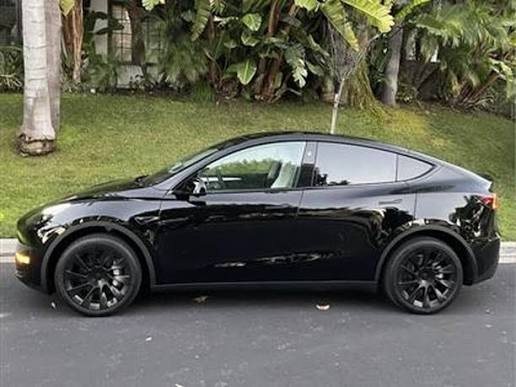
What you notice in the first week
- Full torque from a stop, cold or not: electric motors don't need to warm up the way a gas engine does. The power is there the instant you press the pedal, even on the coldest morning of the year.
- The cabin is ready before you are: start the climate from the app and it's already comfortable by the time you're in the seat, no idling in the driveway first.
- One-pedal driving: regenerative braking handles most of the slowing down in stop-and-go traffic, and it's part of why the physical brake pads last so much longer than a gas car's.
- Updates show up on their own: new capability can arrive overnight with no shop visit.
- Real cargo room: 34.3 cubic feet behind the rear seats, 76.2 with them folded flat, plus a separate 4.1 cubic foot frunk up front. Enough to move a mattress or a week of gear without a roof box.
What other owners end up telling you
- The frunk has a drain plug. It's a documented feature, not a workaround: pull it and the frunk can be hosed out, or packed with ice as a cooler on a road trip.
- Controls → Charging has a "Keep Accessory Power On" toggle. Switch it on and the 12V and USB outlets stay powered, down to 20% battery, without Sentry Mode needing to run at all. Useful for a dashcam or a cooler overnight.
- Camp Mode turns the back seat into somewhere to sleep. Fold the seats flat, run Camp Mode, and it holds cabin temperature and keeps the interior lit off the battery instead of a running engine.
- Dog Mode is real, and most non-owners don't believe it. Leave the dog, and the AC keeps running while the center screen shows the cabin temperature for anyone who walks by and worries.
- Windows crack open from the app. On a hot day, you can vent the car before you're anywhere near it, without fully unlocking it.
Follow the miles
Every week’s miles, charging and cost per mile, straight from the car, in the feed.